

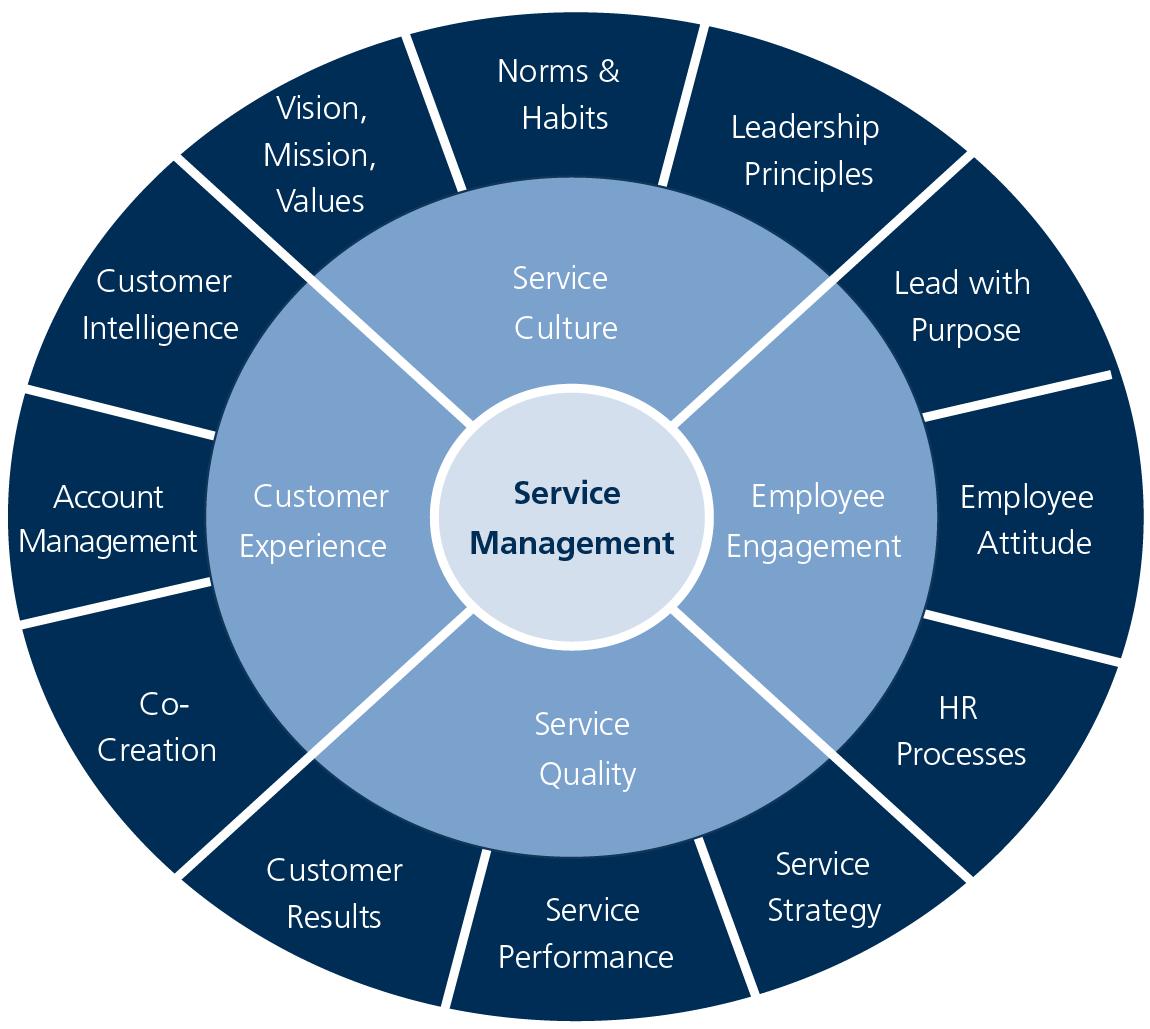
Complex organizations operate across multiple business units, regions, customer segments, and delivery channels. In such environments, service strategy becomes a central capability that connects operational performance with customer expectations and long-term business objectives. Without a structured service strategy, organizations often struggle with inconsistent experiences, inefficient workflows, and fragmented accountability.
Service strategy defines how an organization designs, delivers, measures, and improves services across its ecosystem. It aligns internal capabilities with customer needs while ensuring service delivery supports enterprise-level priorities. In complex organizations, a well-structured service strategy strengthens coordination, improves responsiveness, and supports sustainable growth.
Understanding Service Strategy in Complex Organizational Environments
Service strategy refers to the structured approach organizations use to define how services create value for customers and stakeholders. It establishes direction for service design, delivery models, performance monitoring, and improvement initiatives.
In complex organizations, service strategy helps:
- Align service delivery with corporate objectives
- Coordinate operations across departments
- Improve consistency across customer touchpoints
- Support scalable service infrastructure
- Strengthen accountability across service teams
Organizations that implement structured service strategies achieve stronger performance alignment across business units.
Why Service Strategy Matters More in Complex Organizations
As organizations expand, service delivery becomes more difficult to manage consistently. Multiple departments may interact with customers independently, creating fragmented experiences if coordination is weak.
A structured service strategy enables organizations to:
Maintain service consistency
Customers receive predictable experiences across channels and locations.
Improve operational coordination
Departments align workflows with shared service priorities.
Strengthen customer trust
Reliable service performance builds long-term relationships.
Support scalable delivery models
Services adapt efficiently as demand increases.
Enhance resource utilization
Organizations allocate support capabilities more effectively.
Service strategy ensures complexity does not weaken customer experience quality.
Aligning Service Strategy With Corporate Objectives
Service strategy must reflect enterprise-level priorities rather than operate independently from broader planning frameworks. Alignment ensures services support growth, innovation, and positioning goals.
Alignment activities include:
- Connecting service performance indicators to corporate metrics
- Supporting market expansion initiatives
- Reinforcing brand positioning through service experiences
- Coordinating service investments with strategic priorities
Strategic alignment strengthens service contribution to organizational success.
Designing Customer-Centered Service Frameworks
Customer expectations shape service strategy design. Complex organizations must ensure service structures reflect how customers interact with products and support systems across multiple channels.
Customer-centered frameworks typically include:
Journey mapping initiatives
Organizations identify key interaction points across service experiences.
Segment-specific service models
Different customer groups receive tailored support approaches.
Feedback integration systems
Customer insights guide improvement priorities.
Service accessibility planning
Organizations ensure consistent support availability across platforms.
Customer-centered service frameworks improve satisfaction and loyalty.
Building Scalable Service Delivery Models
Complex organizations require service models capable of supporting growth without sacrificing performance quality. Scalability ensures services remain reliable as operations expand.
Scalable delivery strategies include:
- Centralized service coordination hubs
- Shared support infrastructure across departments
- Digital self-service platforms
- Automation-enabled workflow management
Scalable structures improve efficiency while maintaining service standards.
Role of Technology in Service Strategy Execution
Technology plays a critical role in coordinating service delivery across complex organizations. Digital tools improve communication, tracking, and responsiveness.
Technology-enabled service strategy capabilities include:
Service management platforms
Systems coordinate requests across departments.
Customer relationship management tools
Organizations track interaction history effectively.
Analytics dashboards
Leaders monitor performance trends in real time.
Automation frameworks
Routine tasks receive faster processing support.
Technology strengthens both service speed and accuracy.
Integrating Cross-Functional Service Coordination
Service delivery rarely depends on a single department. Complex organizations must coordinate multiple teams responsible for different aspects of customer support.
Cross-functional coordination supports:
- Faster issue resolution timelines
- Consistent communication across touchpoints
- Improved escalation management processes
- Stronger accountability structures
Coordination ensures customers experience unified service interactions.
Governance Structures Supporting Service Strategy
Governance frameworks define how service priorities are established and monitored across the organization. Without governance, service initiatives often lose alignment with enterprise goals.
Effective governance includes:
- Defined service ownership roles
- Performance monitoring systems
- Policy frameworks guiding delivery standards
- Decision-making authority structures
Governance ensures service strategy remains consistent across departments.
Measuring Service Performance in Complex Organizations
Measurement frameworks provide visibility into service effectiveness. Organizations must track performance indicators that reflect both operational efficiency and customer satisfaction.
Important service performance indicators include:
- Response time improvements
- Resolution rate consistency
- Customer satisfaction trends
- Service accessibility performance
- Cost efficiency improvements
Measurement supports continuous improvement across service operations.
Managing Service Strategy Across Geographic Regions
Global organizations must adapt service strategies to reflect regional expectations while maintaining overall consistency. Cultural differences influence service delivery preferences significantly.
Regional coordination strategies include:
Localized communication approaches
Service interactions reflect regional expectations.
Regulatory compliance adaptation
Organizations adjust delivery frameworks accordingly.
Regional staffing strategies
Local expertise improves responsiveness.
Central oversight frameworks
Enterprise standards remain consistent across locations.
Regional alignment strengthens global service performance.
Supporting Employee Capability Development for Service Excellence
Employees play a central role in delivering effective service experiences. Organizations must invest in workforce capability development to support service strategy execution.
Capability development initiatives include:
- Service training programs
- Cross-functional collaboration workshops
- Customer experience improvement initiatives
- Performance feedback systems
Skilled teams strengthen service reliability across complex environments.
Service Strategy and Risk Management Integration
Complex organizations face operational risks that influence service delivery performance. Service strategy must include mechanisms for identifying and addressing potential disruptions.
Risk management integration includes:
Service continuity planning
Organizations prepare for unexpected interruptions.
Escalation pathway definition
Critical issues receive rapid attention.
Compliance monitoring systems
Organizations maintain regulatory alignment.
Resource redundancy planning
Backup systems support uninterrupted delivery.
Risk-aware service strategies improve resilience.
Strengthening Digital Service Channels in Complex Organizations
Digital service channels increasingly shape customer expectations. Organizations must ensure digital platforms integrate seamlessly with broader service strategies.
Digital channel improvements include:
- Self-service knowledge platforms
- Virtual support interaction systems
- Mobile service accessibility frameworks
- Omnichannel coordination structures
Digital channels improve both accessibility and efficiency.
Aligning Service Strategy With Brand Experience
Service interactions influence how customers perceive organizational identity. Service strategy must reinforce brand positioning consistently.
Brand-aligned service strategies include:
Consistent communication tone
Customers recognize brand personality across interactions.
Reliable service commitments
Performance reflects brand promises.
Customer empathy integration
Support interactions strengthen relationships.
Feedback-driven improvement initiatives
Organizations refine service experiences continuously.
Brand alignment strengthens trust and loyalty.
Leadership Responsibilities in Service Strategy Implementation
Leadership alignment ensures service strategy receives adequate support across departments. Executives guide investment decisions and performance expectations that influence service outcomes.
Leadership responsibilities include:
- Defining service priorities aligned with corporate goals
- Supporting workforce development initiatives
- Monitoring service performance indicators
- Coordinating cross-functional collaboration efforts
Leadership engagement strengthens service strategy sustainability.
Future Trends Influencing Service Strategy in Complex Organizations
Service strategy continues evolving as customer expectations and technology capabilities change. Organizations must prepare for emerging developments that influence service delivery structures.
Important future trends include:
- Increased automation across service workflows
- Artificial intelligence-assisted support systems
- Predictive service delivery models
- Expanded personalization across service interactions
Organizations that anticipate these trends strengthen long-term service performance capabilities.
Conclusion
Service strategy in complex organizations provides the structure needed to coordinate service delivery across departments, regions, and customer segments. By aligning service frameworks with corporate objectives, integrating technology platforms, strengthening governance systems, and investing in workforce capabilities, organizations improve both operational efficiency and customer experience quality. Companies that treat service strategy as a core business capability create scalable support structures that strengthen trust, performance consistency, and long-term competitiveness.
Frequently Asked Questions
How does service strategy differ from customer service management
Service strategy focuses on long-term planning and coordination across the organization, while customer service management typically addresses day-to-day support operations.
Why do complex organizations require centralized service governance
Centralized governance ensures consistency across departments and prevents fragmentation in service delivery standards.
How can organizations balance automation with personalized service delivery
Organizations can automate routine interactions while reserving human support for complex issues requiring empathy and judgment.
What role does service strategy play during organizational restructuring
Service strategy helps maintain continuity by preserving support quality while departments transition into new operational structures.
How does service strategy influence operational cost control
Structured service frameworks reduce duplication of effort and improve resource allocation efficiency across departments.
Can service strategy support sustainability initiatives
Service strategies can incorporate environmentally responsible delivery practices such as digital documentation and optimized logistics coordination.
How often should organizations review their service strategy frameworks
Organizations benefit from reviewing service strategies regularly to ensure alignment with changing customer expectations, technology capabilities, and corporate priorities.